
Children's Dental Care: Toothpaste and Brushing by Age
Baby teeth matter more than most parents think — they hold space for adult teeth and shape lifelong habits. Here's what to use, and when, at every age.
Baby teeth aren't "practice teeth" you can afford to neglect. They hold the space adult teeth will grow into, help with speech and chewing, and — just as importantly — this is when brushing habits get built for life. The right toothpaste and technique change a lot by age.
Toothpaste by age
Ages 2–6: low-fluoride, pea-sized amount
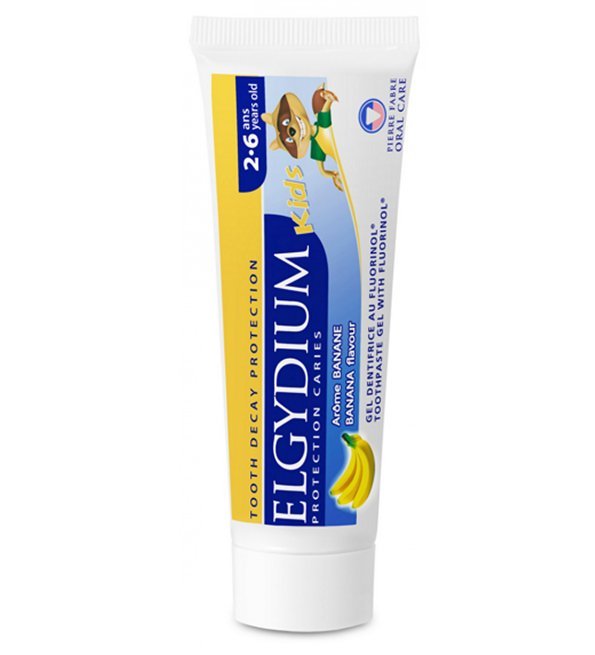
Young children swallow a lot of toothpaste by accident, so formulas made for this age use a lower, safe fluoride level with flavors kids actually tolerate. In our children's toothpaste range, Elgydium Kids Banana and Kin Fluor Strawberry are both designed for this exact stage. Use a smear the size of a grain of rice for toddlers, a pea-sized amount from about age 3, and always supervise brushing so they spit rather than swallow.
Ages 6–12: junior formulas as adult teeth come in
As permanent teeth erupt, kids need more fluoride protection against the cavities that are most common in these years. Elmex Junior 6-12 ans is built for this transition period, with a full-strength fluoride level that's still gentle enough for a child's mouth.
Choosing the right toothbrush
A small head is non-negotiable — it's the only way to reach a child's back molars, where most cavities start. Making brushing fun genuinely helps compliance: a licensed-character brush like the Oral-B Kids Spiderman rechargeable or the President Kids Junior 5-11 can turn a daily battle into something your child actually looks forward to.
Building the habit
- Brush for them until they can tie their own shoelaces — most children lack the fine motor control for a thorough clean before age 6-7, even if they insist on doing it "myself."
- Twice a day, two minutes, morning and before bed — the evening brush matters most, since saliva flow drops overnight and bacteria have longer to work.
- First dental visit by age 1, or within 6 months of the first tooth appearing — not to treat anything, but so a dentist can check development early and your child gets used to the visit.
- Limit juice and sugary snacks between meals — frequency of sugar exposure matters more than quantity for cavity risk.
Frequently asked questions
When should I start brushing my baby's teeth?
As soon as the first tooth appears, with a soft infant brush or a clean damp cloth, even before any toothpaste is introduced.
Is fluoride toothpaste safe for young children?
Yes, at the age-appropriate dose. The risk with young children isn't the fluoride itself but swallowing excess amounts — which is why age-specific formulas and portion control (rice grain, then pea-sized) exist.
My child hates brushing — what can I do?
Let them pick their own brush and flavor, brush alongside them so they copy you, and keep sessions short and consistent rather than perfect. A rewards chart also works well for many families.
This article is for information only and doesn't replace advice from your child's dentist, especially for teething pain, delayed tooth eruption, or visible decay.